


 Close Menu
 World
 Biography
 Health
 Education
 Business
 Lifestyle
 Sports
 Technology
 Animals
 History
 Food
 Religious
 Startups
 Movies
 Politics
 Fashion
 Covid
 Diet
 Fitness
 Marketing
 Travel
 Science
 Reviews
 Social media
 Stories
 Facts
 Art
 Entertainment
Adam John

Business
Driving Lessons Automatic: A Complete Guide to Learning and Passing with Confidence
 Adam John
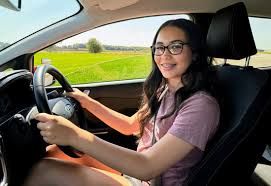
Learning to drive is an important milestone that offers independence, convenience, and greater freedom. For beginners, automatic driving lessons provide a straightforward way to develop driving skills without the added challenge of manually changing gears. Automatic vehicles are becoming increasingly popular because they are easier to operate, particularly for new drivers who want to focus on road awareness, traffic conditions, and safe driving techniques.
Whether you are learning to drive for the first time, preparing for your practical driving test, or switching from a manual vehicle, professional automatic driving lessons can help you become a confident and responsible driver.
What Are Automatic Driving Lessons?
Automatic driving lessons teach learners how to operate vehicles equipped with automatic transmissions. Unlike manual cars, automatic vehicles change gears automatically according to speed and driving conditions. This means learners do not need to operate a clutch pedal or manually select gears while driving.
Most automatic vehicles have a simple gear selector with the following positions:
- P (Park): Keeps the vehicle stationary when parked.
- R (Reverse): Allows the vehicle to move backwards.
- N (Neutral): Disconnects the engine from the driving wheels.
- D (Drive): Allows the vehicle to move forward and change gears automatically.
With fewer controls to manage, learners can concentrate on steering, braking, accelerating, observing other road users, and making safe decisions.
Why Choose Automatic Driving Lessons?
Automatic driving lessons are an excellent option for people who want a simpler and more comfortable learning experience. Without clutch control and manual gear changes, beginners can develop essential driving skills without feeling overwhelmed by too many tasks.
Here are some important benefits of choosing automatic driving lessons.
1. Easier for Beginners
Learning to coordinate the clutch, accelerator, and gear stick can be challenging for first-time drivers. Automatic vehicles remove these additional responsibilities, making the initial learning process more manageable.
Learners can focus on understanding vehicle controls, maintaining safe distances, recognising road signs, and following traffic rules.
2. Better Focus on Road Awareness
Safe driving requires constant attention to the surrounding environment. Automatic transmission allows learners to spend more time observing pedestrians, cyclists, traffic signals, road markings, and other vehicles.
This additional focus can help beginners develop better observation and hazard-awareness skills.
3. Comfortable Driving in Heavy Traffic
Driving in busy urban areas can involve frequent stopping, starting, and slowing down. In manual vehicles, these situations require repeated clutch operation and gear changes.
Automatic cars make stop-and-go traffic more convenient, reducing the physical effort involved in everyday driving.
4. Suitable for Nervous Drivers
Some learners feel anxious when they first sit behind the steering wheel. Managing multiple controls can increase their stress, especially on busy roads.
Automatic driving lessons offer a simpler starting point, allowing nervous learners to build confidence gradually under the guidance of a qualified instructor.
5. Develop Essential Driving Skills
Automatic driving does not mean learners have fewer responsibilities. They must still understand road positioning, speed control, safe braking, mirror checks, parking, junctions, and defensive driving.
Professional lessons ensure that these important skills are developed properly.
What Will You Learn During Automatic Driving Lessons?
A structured automatic driving course covers different driving situations, starting with basic vehicle controls and progressing towards more challenging road conditions.
Understanding Vehicle Controls
Your instructor will introduce the main controls, including the accelerator, brake, steering wheel, indicators, mirrors, headlights, and gear selector.
You will also learn how to adjust your seat, position your mirrors, fasten your seat belt, and complete basic safety checks before driving.
Starting, Stopping, and Steering
Beginners practise starting the engine, selecting Drive, moving away smoothly, controlling acceleration, and stopping safely.
You will learn how to maintain proper steering control and keep the vehicle in the correct road position.
Junctions and Roundabouts
Junctions and roundabouts require good observation, timing, and decision-making. Your instructor will teach you how to approach them safely, identify gaps in traffic, use indicators correctly, and give priority where required.
Parking and Reversing
Parking is an essential part of everyday driving. Automatic driving lessons typically cover:
- Parallel parking.
- Reverse parking.
- Forward parking.
- Reversing into parking spaces.
- Safe reversing and manoeuvring.
Practising these skills helps learners handle different parking environments confidently.
Driving on Different Roads
As your confidence improves, you will practise driving on residential streets, main roads, busy intersections, and higher-speed routes where permitted.
You will also develop skills for dealing with changing traffic conditions, pedestrians, cyclists, and unexpected hazards.
How Many Automatic Driving Lessons Do You Need?
The number of lessons required depends on your previous driving experience, confidence, learning speed, and ability to apply feedback.
Some learners progress quickly, while others need additional practice to become comfortable with different road situations.
A professional instructor can assess your current ability and recommend a suitable learning plan. Regular lessons and independent revision of road signs, traffic rules, and driving techniques can also support faster progress.
The most important factor is not completing a specific number of lessons but becoming a safe, consistent, and independent driver.
How to Prepare for Your First Automatic Driving Lesson
Preparing before your first lesson can make the experience more productive and enjoyable.
Consider these helpful tips:
- Get enough rest: Being alert helps you concentrate and respond to instructions.
- Wear comfortable footwear: Choose shoes that allow you to operate the pedals accurately.
- Bring the necessary documents: Carry your learner permit or other required documents according to local regulations.
- Ask questions: If you do not understand an instruction, ask your instructor to explain it.
- Stay relaxed: Making mistakes is a normal part of learning.
- Practise regularly: Consistent lessons help reinforce driving techniques and improve confidence.
How to Choose the Right Automatic Driving Instructor
Choosing the right instructor is an important step towards becoming a confident driver. A professional instructor should have appropriate qualifications, relevant teaching experience, and a patient approach.
Before booking automatic driving lessons, consider the following factors:
- Instructor experience: Choose someone experienced in teaching beginner drivers.
- Professional qualifications: Check that the instructor meets the licensing and training requirements in your area.
- Lesson structure: Look for lessons that cover practical driving skills progressively.
- Vehicle condition: Make sure the training vehicle is properly maintained and suitable for learner drivers.
- Flexible scheduling: Convenient lesson times can make it easier to maintain a consistent learning routine.
- Student feedback: Reviews and recommendations can help you understand the quality of instruction.
A supportive instructor should explain mistakes constructively, identify areas for improvement, and help you develop safe driving habits.
Tips for Passing Your Automatic Driving Test
Passing a practical driving test requires more than knowing how to operate an automatic vehicle. You must demonstrate safe driving, good observation, and responsible decision-making.
Keep these tips in mind:
- Check mirrors regularly before changing speed or direction.
- Always observe blind spots when necessary.
- Follow speed limits and road signs.
- Maintain a safe following distance.
- Use indicators at appropriate times.
- Approach junctions and roundabouts carefully.
- Practise parking and reversing manoeuvres.
- Stay calm and listen carefully to instructions.
Understanding your local driving test requirements and practising with a qualified instructor can improve your preparation.
Conclusion
Automatic driving lessons offer a convenient and accessible way to learn essential driving skills. By removing the need for manual gear changes and clutch control, automatic vehicles allow beginners to concentrate on road awareness, vehicle positioning, traffic management, and safe decision-making.
With a qualified instructor, regular practice, and a structured learning plan, you can gradually develop the confidence needed to drive independently. Whether you are a complete beginner or preparing for your driving test, choosing professional automatic driving lessons is a valuable investment in your safety, independence, and future mobility.
Frequently Asked Questions (FAQs)
1. Are automatic driving lessons easier than manual lessons?
Yes. Automatic vehicles do not require clutch control or manual gear changes, making them easier for many beginners to learn.
2. How long does it take to learn automatic driving?
Learning time varies depending on your experience, confidence, practice frequency, and ability to develop essential driving skills.
3. Can beginners take automatic driving lessons?
Absolutely. Automatic driving lessons are suitable for complete beginners who want to learn how to drive safely and confidently.
4. Do automatic driving lessons include parking?
Yes. Professional lessons generally cover parallel parking, reverse parking, forward parking, and other essential manoeuvres.
5. Can I drive a manual car after learning in an automatic?
Not necessarily. Driving licence restrictions depend on your country. In some jurisdictions, passing an automatic-only driving test limits you to automatic vehicles unless you complete the required manual training and testing.
6. Are automatic cars suitable for everyday driving?
Yes. Automatic cars are widely used for commuting, urban driving, long journeys, and everyday transportation.
Source:
Click for the: Full Story
You might like




You Might Like this